
All summer the rubber tree misunderstood itself
as a subtropical creature with permanent rights to the patio.
Fall corrected that illusion.
I carried it inside
before the cold could finish the argument.

Now it stands beside the southeast window,
where the morning light arrives like a polite guest—
knocking first,
then slipping across the floorboards
in a thin, honeyed ribbon.

This light was not made for grandeur.
It does not flare, or boast,
or promise anything it cannot keep.
It simply lifts the room an inch or two,
enough that even the rubber tree notices—
its leaves catching the brightness
with the same shy greed
of someone receiving a compliment
they secretly hoped to hear.

I water it slowly,
as if pouring out a small confession.
The soil darkens, swells,
takes what it needs
without apology.

I do not tell the tree
that I admire its stubbornness,
or that something in its resilience
feels tender to me this morning.
Plants are suspicious of sentiment.
They prefer steady hands
and predictable light.

Still, the room shifts—
a quiet choreography
of leaf-shadow and sun-warmth.
And for a moment,
we are both content
to be exactly where the season
has delivered us.

Jill Szoo Wilson, 2025
Category: Poems and Sonnets
Unknowable: An Allegory

“Do you think we are unknowable?” she asked.
Caimon looked down at the dirt around his feet and noticed his shoe was untied. “Not completely, no.”
“Do you mean that we are partly unknowable? But partly knowable, too?”
He could feel his pulse in his temples as he bent down to tie his shoe, “I think we can know someone as much as they are willing to be known.”
She wondered about his answer as she leaned over to tighten the Velcro on the side of her own shoe, “Do you want me to know you?” She whispered the first part of the sentence, but the second part leapt too loudly from her mouth.
“I guess I want everyone to know me. But not really.” He could tell, right away, this wasn’t the answer she wanted to hear.
“Well,” she said, with securely fastened feet, “I think I understand.”
Caimon tried to make a joke, but it fell between his feet, “Maybe you do. But not really.”
As his paltry attempt at humor mixed in with the dirt beneath the hem of his pants, Caimon wanted her to walk away. He didn’t like the weight of her stare, and he didn’t want to feel responsible for her anymore. In a moment of desperation, Caimon turned from her—filled with the conviction that he would never look in her direction again—and he said, “Why do you always need to know? What is wrong with not knowing?”
His footsteps were slow and heavy as he could feel her blue eyes fastened to his back with long, thick ropes tied around his organs. Her eyes pulled at him and tried to stop his movement until, between one exhale and the next breath in, he felt her release. The moment of her imprisonment was the moment of his freedom, and in his freedom, he began to run. Not fast and with nowhere to go, but with the swiftness of a man whose shoes were tied and whose longest mistake grew shorter behind him.
Caimon ran with his secrets. The unknowable parts of himself were rattling around between his right ear and his left. They were sloshing back and forth between his rib cages and percolating up into his throat. The words he would never say, the feelings he could never explain, and the courage he conjured in his dreams but left stuck to the sides of his imagination were loosening with each new footstep. He wondered whether it was dangerous to allow the movement. His secrets felt like gumballs in a gumball machine and he had only ever seen one fall at a time: what would happen if the whole lot was disturbed at once?
He laughed under his breath and panted fog into the cold night air, “If only I had a quarter, I could find some courage to chew on.”
He laughed again, but this time he knew it wasn’t funny.
The words of the girl wrote themselves on the trees surrounding him, and he could hear them on the wings of the wind that fell through the leaves. He watched his shoes as they hit the ground—left, right, left, right—and he began to count the steps. Each step was further away and, somehow, closer, too. Further from her: closer to something new.
It wasn’t any one aspect of the girl Caimon needed to flee, but the anchor her whole had become. She needed Caimon, and Caimon didn’t want to be needed. She expected things from him, and he wasn’t sure he had what she was waiting to discover. He didn’t want to disappoint her, to lose her, or find her, and the girl only wanted to be found. Theirs was a connection of two negative magnets, one wanting to change her charge. She wanted to change the nature of herself so she could be pulled into Caimon and he into her, almost as though the choice no longer belonged to them.
“Unknowable,” he read as the words wrote themselves in the reflection of a lake up ahead. Caimon stopped running and never looked back, but sat on the edge of the water.
The air was so cold by then that his breath felt like crystals grabbing the edges of his lips as it was blown from his body. The forest was silent and still: the kind of stillness that lowers itself like a parachute over nature when the moon is moments away from switching places with the sun.
Caimon, tired and cold, reached into the pocket of his coat to find his book of matches. Once he was certain the matches were there, he looked near his feet for pieces of fallen wood. One by one, Caimon reached into the dirt for the wood, methodically like he was looking for pieces of a puzzle that had fallen to the floor. Once he had gathered enough wood to build a fire, he reached into his pocket and pulled out two things: the matches he knew were there and an envelope she had given him earlier, long before he tied his shoe.
Caimon crumpled the envelope—still filled with her letter—in his left hand and placed it on top of the wood. With a match in his right hand, Caimon struck the side of the matchbook and watched the flame immediately appear.
“Quickly,” Caimon thought. “It is quickly that a match is filled with fire.” Just as the flame crept dangerously close toward his fingers, Caimon leaned over and watched as the flame stretched itself from the match to the letter, like a bridge between two lovers. Or two strangers. Once the letter was lit, Caimon stood.
He closed his eyes and felt the heat of the letter begin to grow as it linked arms with the pieces of wood he had gathered from the forest floor. Soon, the fire began to melt the breath that gently rolled from between Caimon’s lips. He lightly bent his fingers into fists, his fingertips touching the inside of his own palm. He felt the skin on his hands and wondered why he hadn’t noticed before how rough that skin had become.
He could see on the inside of his eyelids the orange and red of the fire he had built: the fire made with his rough hands and matches and her letter. He didn’t want to look at it just yet but, instead, he wanted to feel it dance before him like a lover unencumbered by self-consciousness or pride. Caimon drank in the light and let the colors of the illumination paint a masterpiece inside his mind.
Enraptured by the freedom of the flames and the heat of the fire against his shoes and legs and face, Caimon leaned back his head and sighed a message that flew into the sky, “There is nothing wrong with not knowing.”
And without seeing the sun begin to rise, Caimon knew the day was new.
© Jill Szoo Wilson, 2025
Poem: The Path Widens
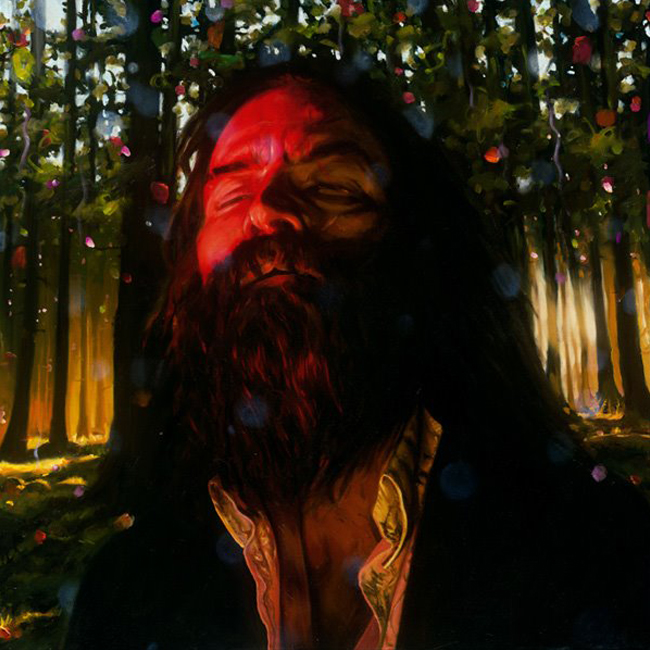
A meditation on how people grow: slowly, sideways, and almost never on schedule.
In teaching acting, you learn that most progress happens quietly.
Not in the moment a student secures a role, but in the moment she finally makes a choice no one suggested. Nothing dramatic. A shift of breath. A decision about when to look away. A line spoken with intention instead of hope.

Parents ask me when they should know whether theatre is a good path for their child. They mean well. They want a timeline, a benchmark, a sign that reassures them the world can still be predicted. Adults love prediction. It keeps the fear at a reasonable volume.

But acting doesn’t depend on prediction. It depends on attention.
A student gives more than she takes. She listens longer. She works without being asked. These are not qualities that make announcements. They don’t trend. They barely register unless you’ve been watching the way a gardener watches new growth: alert, but never frantic.

Younger students arrive full of borrowed enthusiasm.
A favorite movie. A character they memorized line for line.
At that age, the self has not yet solidified enough to have a motive.
They imitate because imitation is how they understand the world.
It’s not my job to explain their “why.”
It’s my job to give them something sturdy to push against.

I learned this long before I ever taught anyone.

When I was five, my uncle removed the floaty from my back and told me to jump into the pool. He said he would be right there. Adults often say this. Sometimes it’s true. Sometimes it’s more aspirational than factual.

The first time, he stood still.
The second time, he stepped back.
By the end of the afternoon, my floaty lay drying on the concrete like a gasping fish.

That is how learning works at its best.
You move toward someone who trusts you can manage the distance.
Then the distance widens.

A simple object left drying on the concrete carries its own questions.
What does a beached object imagine?
That this is the edge of its usefulness,
or that the next body of water will be waiting somewhere farther on?

Even a stranded object suggests the truth: every stage asks something different of us.

Parents want to know when their child is ready for the “path.”
But the path is not an announcement.
It is a series of small decisions, barely noticeable except in accumulation:
a student opens her script earlier in the week,
rehearses with a friend instead of scrolling a phone,
asks a question that requires thinking instead of guessing.

These things don’t earn applause.
But they build a life.

The work goes on.
The child grows.
The deep end waits, patient and unbothered.

And the path widens without saying why.

© Jill Szoo Wilson, 2025
Poem: The Thousand Deaths of Canton
Canton died on Monday

And then again on Friday

And in between

A thousand other deaths

All in a row—

His breathing shallow,

His passion stretched wide

Like a well dug for water supply

Now a brimming

Hole.


Canton’s misery has a name—

A she as you may have guessed

With brownish hair and

Bluish eyes

Anchored to her soul,

Her voice sounds

Like frogs chanting

In the night,

A melody Canton

Extols.


Her name is Sienna

Like the color artist’s mix

When simple red

Promises nothing of

Complexity

In its parts—

But complexity

Is the only way

To convey the

Whole.


She walked into his life—

No, she swam instead

Like a pirate

Fallen out of a ship

Whose pockets were filled,

Whose lungs nearing empty

Needed Canton’s

Breath to make it

To the shore with no

Patrol.


Canton wrapped his arms

Around her belted waist

He pulled her body

Wet with salted

Memories

To a warm and sunny

Place where

Resuscitating Sienna

Became his starring

Role.


He breathed his life

Into her lungs,

Sienna’s breast inflated

Like a blowfish

Reacting to her fear

Desperately wanting

His protection—

No, that’s not right—

His affection wrapped up in his

Soul.


Canton died when Sienna

Slept—

The world collapsed

With her unconsciousness

As though slumber

Was a distance too far to

Bare,

Not even the moon

Could console his emptied

Control.


He died when she blinked,

He could not withstand the dark

Her eyelids commanded—

Like a conductor

Setting the rhythm of

His pain and

One and two and three and

Four—

The music behind her open eyes, Canton’s

Parole.


Canton and Sienna

Clasped their fingers together

Like two pirates searching for love

Crossing a windy expanse—

They cried and laughed

And died and lived

Along the way

Two shipwrecked halves navigating

Toward one mysterious

Shoal.

© Jill Szoo Wilson, 2025

Poem: Consolation

He called her a corpse

Deflated her air

Rolled her body up

From her toes to her hair

And sat on her skin

Until her spirit

Became thin

A sweet smelling puff

Escaped her lips—


“I’m still alive”

Was

All

She said.


She lay on the earth

Drawn-on with dirt

The muscles in his arms

Dug deep beside

The crumpled she

He struggled to hide

He needed a hole

As deep as it was

Wide.


His sinews tore

His ligaments bore

The weight of

Moisture soaked mud

Sweat poured from his face

A frenetic pace

Fighting against the hole

In the ground and inside

His soul.


His arms fell to his sides—

Steel and wood

Now a finger

On his hand

An extension

A plan—

One last

Connection to she

Awake in the grave.


One inhale—

Peace

One exhale—

Release

One inhale—

Regret

One exhale—

Cold sweat

And his future stared.


He could not go back

Ahead was a trap—

Brightly lit

The way

Was clear

But illumination

Is not

The same as

Consolation.


He sat in his safety

Buoyant

Afloat

Stillness

Stagnation

Narration calling,

“I’m still alive”

Her apparition

His aberration.


Wires exposed

The path that he chose

Storm clouds above

Drowning out love

No finish to the start

Interrupted heart

No dreams to know

No nightmares bestowed

She leapt from the tomb

Alive—

© Jill Szoo Wilson, 2025
Poem: The Curve of Time
You might as well befriend the moon–
embrace her clouded peekaboos.
And music . . .

Receive the tune–
you have no time to choose–
alone in a crowd or
with no one in view.
And a smell . . .

Wafts past your nose–
what's that?
Or who?

Perfume on skin or a place that you knew?
Pause.
No need to wonder—you know who that was—
and who you are
as nostalgia winds the second hand 'round.

"Time is a straight line," said he
"It moves consecutively,
watches as it goes
behind and below
like walking on a path
that winds into—
well—
no one knows."

"No one knows,
that's right," said she.
"Simply put, I do agree.
But there's no line to speak of.
Time bends–not like a knee–
more like a finger touching its thumb
or a rainbow finding it's spherical end
and celebrating with a gentle, 'Come.'"

Time returns to the places we've been.
One says, "That memory is far."
Another, "The moment is here to stay."
Yesterday can be put down
but the nows of that day
pop up from the ground
without notice
or sound
to delight or confound–
it depends on the soiled seconds
into which it was bound–
moments become recollections and
recollections are seeds
with a life of their own.

Promises and hope
gentleness and rage
a touch, a glance
a well-appointed room
or a half-written page–
all are sown into our skin
and find their rest in
smiles and tears
repose and toil
love and loss
freedom and cost
and the way the sunlight lay across
the earth at the end or
when it all began.

"That was back then," said he.
"That is today," said she.
The Minutes listened closely,
"There is wisdom in both."
Time smiled wryly
crouched smugly and quietly
behind an Autumn tree
waiting for the final leaf to fall.

© Jill Szoo Wilson, 2025
Sonnet: The Final Chamber
In all your quiet ways my spirit wakes,
Like dawn that steals through shutters, soft and slow.
Oft have I wondered how your presence makes
Veil’d parts of me take courage yet to grow.

Each day my hushed and inward-seeking mind
Yields when your voice through shaded mem'ry moves.
O’er every folded fear your light I find,
Undoing shadows with the truth it proves.

You are the innermost of all my days,
The final form within my layered soul.
No ornament, nor craft of human praise,
Could name the warmth by which you make me whole.

So stand I now, my guarded heart undone,
For in your gaze a thousand worlds are one.

© Jill Szoo Wilson, 2025
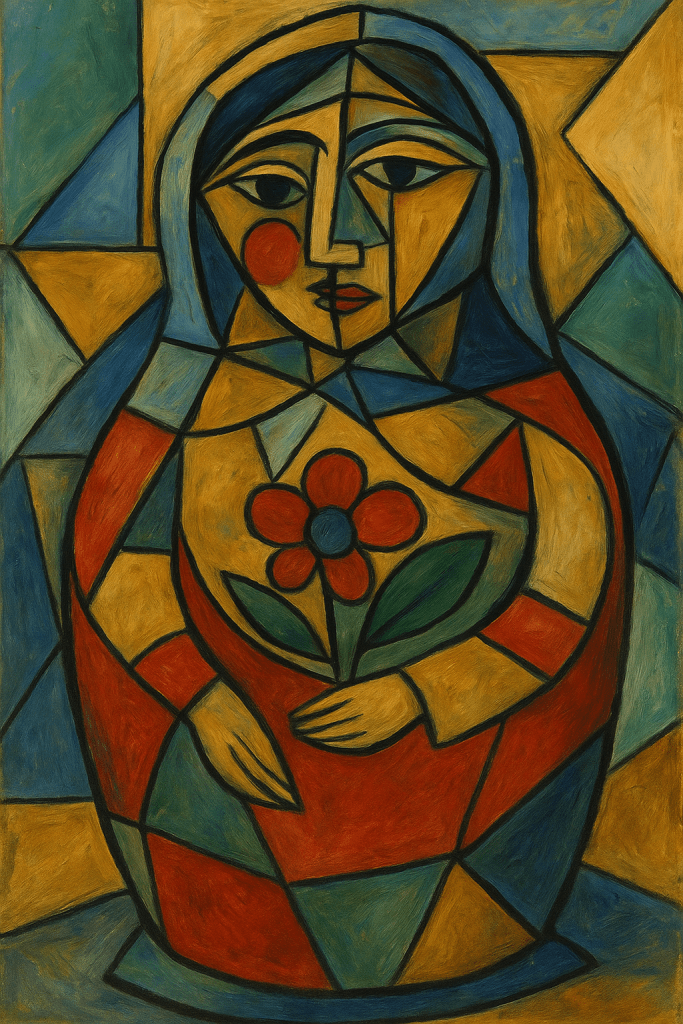
Poem: Unencumbered

She collected recollections

From the past

As though they were

Trinkets from a shop

Where antiques—

Roughly used and rusting—

Lay waiting,

Lay trusting

Their time would come again.


Again yesterday came

But with a different name

“Today”

So she sat with her

Treasures

Stoic and measured

With a grip not to lose

For if she loosened her hold

They may drip away.


Away from the darkness

Of her previous losses

She looked toward the light

Lost her sight

At the brilliance it held

Shuttered with fear

Melted with doubt

Stifled her silent shout

With a thought.


The thought

A question

Singed with intention

Smoking

Like the barrel of a gun

Prompting her

To run

Instead of stay—

But she stayed.


Stayed in the place

Where she planted the seeds

Grass to grow

To overthrow

The things it seemed

She could not let go

Like a patient

Patiently awaiting

Death.


Death that rides

On the back of loss

That stabs at the fear

Of drawing near

“Don’t move from here”

She whispered out loud

And hoped the desire to move

Would evaporate

Like a cloud.


Clouds of then

Filled the present

A fog in this room

Invaded by the presence

Of shadows—

Not men—

Only places

They may have been

Had they stayed.


Staying threatened her breath

As the air turned white

The longing for safety

Compromised

By this encroaching night

The fear of losing

Being lost from her sight

As a struggle to gain

Awoke to the fight.


Fighting for air

She stood to her feet

Considered her options:

Victory / Defeat—

Destruction seemed easy

To fail is so clean

Triumph unknown

Invites mystery:

Shrapnel of

The unforeseen.


Unforeseen was the way

Mighty was the day

When the roots that held

Were cut away

When her voice

Unvoiced

Found the breath to say,

“Tomorrow

is where my future—

unencumbered—

lay.”

© Jill Szoo Wilson, 2025
Poem: Beautiful/Lies

I will tell you what to see—

Everything but me—

A variety:

First, the shape my lips take

When I smile

Then, only aspects of my style—

The ones that deceive the senses

Lower your defenses

Make you wonder

Confidence thrown asunder.

A breeze

Whizzing by your certainty

A tornado—

Or a reverie—

Where the facts

Are art-i-facts

Designed to twist

To burrow in your mind

Then to grow

Into trees of truth

Where flowers of falsified youth

And branches that carry the load

Explode into blossoms and

Inspire.


Time evaporates into years

My collection has piled

Your recollection defiled

Melted

Reshaped

Into unknown

Unsuspected, unsuspecting

Wisdom flown

From your mind

And into my hands

Like clay

Shaped, reshaped

The size of the holes

On either side of your nose

Where what you see

Is only dreams—

The ones I dare to

Echo

Deflected from the truth

Reflected onto the marquee

Like a refugee memory

No longer sure

Which way

Is home.


I will choose the color,

You will trust my hand

Not because your will is irrelevant

Only because

You cannot understand—

And—

You trust

The choices

I make

Wait for the plans

The paths

That I take

Like a child—

Hope outstretched

Faith recklessly displaced—

Still you smile

And wait to see

What you will be-come

When the operation is done

Your vision restored

To my point of view

The illusion of Truth

Wrapped inside

Like a film reel

Reflecting

My cinematic lies.


The seed is sown

The deed is done

Now water it with your tears

Blink until you make it your own

Follow my finger

First up and then

Down

First left and then

Right,

“Don’t fight

let it be

trust me

I know the plans

I have for you:

to kill the boredom

to steal the dream

to destroy the blinding vision

to replace it with soothing

fabrication and

elation

for today.

Today is all that matters.

One more spin

Your view will be new—

you will thank me

when I am through.”


“I can see”

said she who trusted.

“Thanks for your selection.

How can I repay your

close attention,

touch easing apprehension,

voice soothing

the searing dissonance of

incomprehension?”

She wiped a tear

From the corner

Of her newly installed

Perception.


She who answered

Leaned in

Close

Low

Bestowed the wages

To be collected on

Another day,

“Only three things I pray:

go further than you intended to go

stay longer than you intended to stay

pay more than you were willing to pay.”


I will tell you what to see—

Everything but me—

I will whisper in the breeze

Rolling from the sea,

Caress your lips

From a hot cup of tea,

Sing in your ear

On the notes of a melody,

Just as long

As you agree

Never

To set me free.

© Jill Szoo Wilson, 2025
Poem: Broken People
The broken people

Write

Of themselves

Themselves

To mend

Before the stories

Clinging to sinewy tendons

And blood-covered veins

Break the remainder

Of the broken people.


Like bricks

Pulverized by word-hammers

And spread across

Paper

Weighted so

The paper

Will not be carried away by the wind

The anchor-stories

Are yanked from below

And are gasping and

Building

Something new.


Their minds have slipped

Into the core

Below the place

Where gray matter

Sloshes

And squishes about

And their eyes

Are inside and

See

What is there

And blink Morse code

To the hands

On the outside—

In this way

The stories are told.


The broken people

Choose not to walk

Though

Walking is easy

On feet that are strong

But movement against

Wind might seem like

Progression

But sometimes

Movement of the hands

Moves

Them

Further along

Than feet ever could.


“Do you dream?”

A fellow asked

Who smelled of Vodka

And beef

Whose face

Looked like it dripped with

Paint

Too thick

And crusted on

Forgotten

By the touch of

His painter’s hand.


“I dream,” answered

The broken man

Whose feather pen

Moved faster than before.


“How do you dream,”

He asked then he stumbled,

“With no head to call your own?”

He laughed at his question

Like old women

Laugh at dolls

When dementia

Has taught them

That dolls are flesh.


The broken man

Wrote on

And thought about

A song

He heard in his ears

Long ago

Many years

Before his head fell

Into his core,

“I see the crystal visions

I keep my visions to myself

It's only me

Who wants to wrap

Around your dreams and

[I wonder]

Have you any

Dreams

You'd like to sell?”


The broken people

Tell of themselves

They also tell of you

And when they

Cast

Silvery questions

Into the ocean of

You

It never is in vain—

For they will not

Throw your stories

Back

But

Instead

Transform them into

Something new

And then

You

Move through

Fingertips too.

© Jill Szoo Wilson, 2025
 Necessary Whispers