If You Found Me Through a Wartburg Watch Article

If you’ve come to my website as a result of a Wartburg Watch article, you’re welcome here. Some context may help.

  1. After a seven-month period involving motions, hearings, and legal proceedings, the case was dismissed with prejudice. I admitted no wrongdoing. There are no judgments against me.
  2. The affidavit was part of a settlement.
  3. I did not redact anything. I took the writing down.
  4. The initial matter has been settled for my family and me for nearly two years.
  5. My name appears in documents connected to the three lawsuits that followed, but I am neither a plaintiff nor a defendant in those cases.
  6. All of my writing focused on one thing: getting to the truth of what happened in my own story, and then processing the stories others began sharing with me in the pursuit of a larger truth.
  7. As I wrote many times between March 2025 and March 2026, God has granted my family, community, and me healing, restoration, and peace. My aim is to forgive everyone involved, and I have moved on. I hope the same for everyone else.
  8. Because forgiveness has been central to my writing for many years, I want to be clear about what that word means to me. Reconciliation is a two-way street that requires open discussion, an agreement to shared boundaries, and genuine repentance. Forgiveness is an individual decision made within the heart, the mind, and before God. It requires no agreement from the other person and can be revisited as needed.

Onward and upward!
Jill

What Does Paper Know of Life?

From the desk of Iris Lennox.

What does paper know
of life?

Only what we tell it.

I spread the pages
across my kitchen table,
one hand on oak,
the other
on language.

Afternoon light
finds the margins first,
then the staples,
then the black strokes
of my name
pressed hard enough
to leave its mark
three sheets down.

Good.

Some truths
deserve
depth.

The paper remembers dates.

It remembers names.

It remembers
who stood where,
who reached first,
who kept speaking,
who went silent,
who needed silence
to feel safe.

The ceiling fan turns.

Edges lift, but dare not
fly away.

They stay.
Pressure makes some run
and others stay.

A throat is made
of cartilage,
muscle,
membrane,
two pale folds
opening
and closing
over air.

Pressure meets tissue.

Even a whisper
requires force.

I know this.

I have taught students
to plant their feet,
unlock their knees,
drop their shoulders,
open their ribs,
and send a line
to the back wall
without asking
the room
for permission.

Never ask for permission.

I have watched
a frightened girl
find her stomach
and then her voice.

I have watched
boys
speak one true sentence
without laughing
and become men.

I have watched
language
enter the body
and change
the way
a person stands.

So when the hand came,
when the pressure came,
when silence
came to wrap around,
to shut me down,
to choke
me—

I know
what a voice is.

The larynx bruises.

The breath adjusts.

Once,
I lost it.

But don’t worry about me.

I just drink the tea,
bite down on the Ricola,
and breathe.

Shakespeare told us
long ago,

“Speak the speech,
I pray you,
trippingly on the tongue,”

And I tripped.

A little.

Then I got back up.

And spoke
until cartilage,
muscle,
membrane,
air,
ink,
oak,
paper,
rooms,
whispers,
and men
who mistake women
for little girls

had to listen.

They reached for an instrument
they didn't understand.

So I took
what the body knew,
what the stage taught,
what the page required,
what courage costs,

and I used
all of it.

Outside,
water climbs
through xylem,
one molecule
pulling another.

Roots enter limestone
by touch.

A seed splits
in darkness

and takes root.

What does paper know
of life?

Only what
we tell it.

—Iris Lennox

First published on IrisLennox.com.

The Desert Series by Iris Lennox

Having recently wandered more deeply into academic writing on theatre, performance, and communication, I found it helpful to create a separate space for my poetry.

Not everyone wakes up eager to read about Harold Pinter’s strategic use of silence, Timberlake Wertenbaker’s portrayals of power and speech, or the psychological architecture of Willy Loman.

So, I created Iris Lennox.

Here are five poems from my most recent collection, The Desert Series.

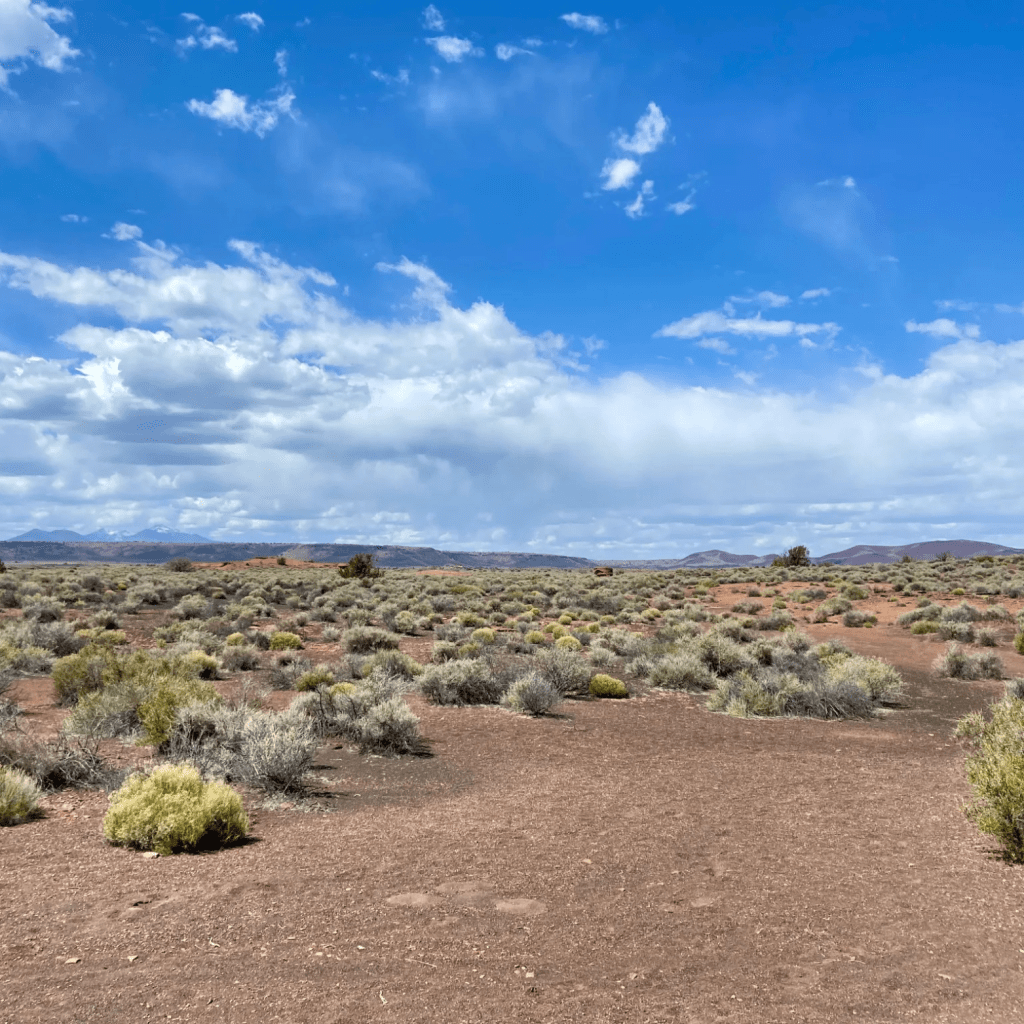
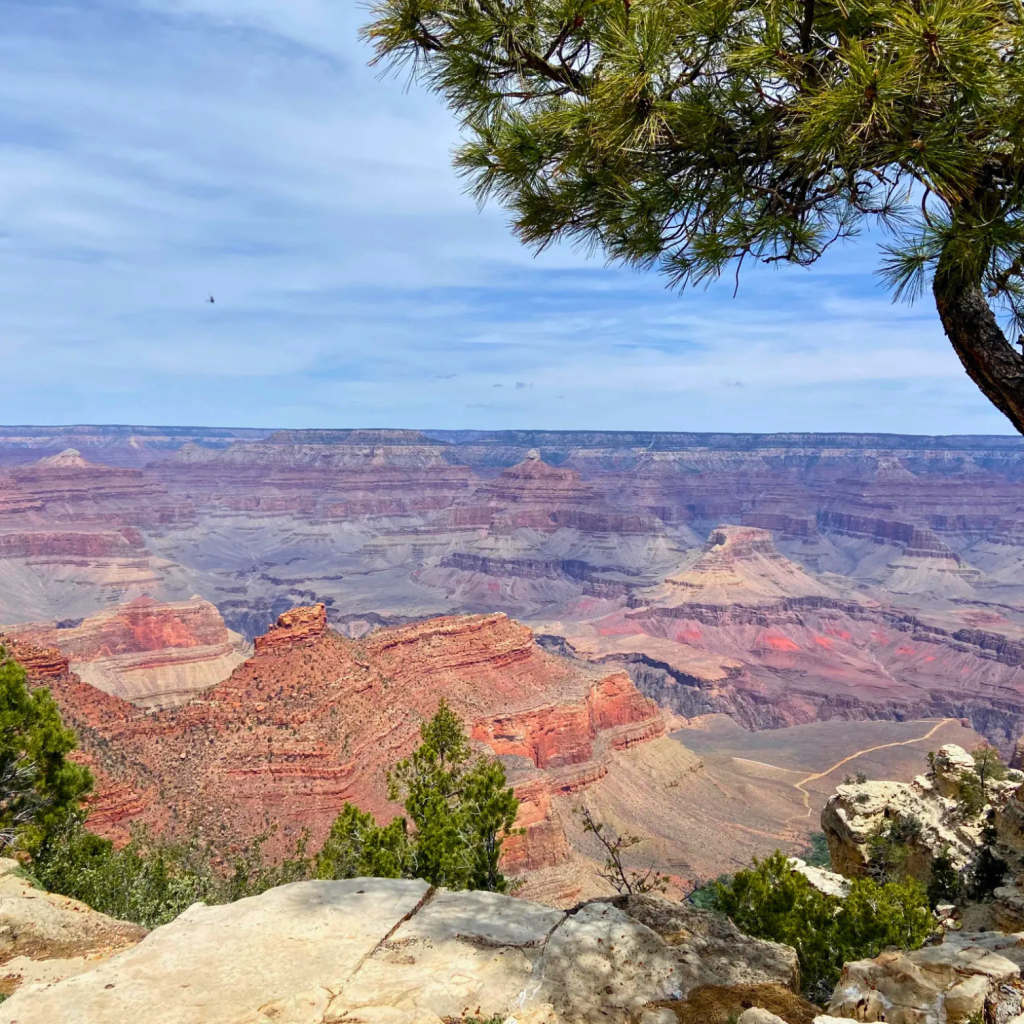
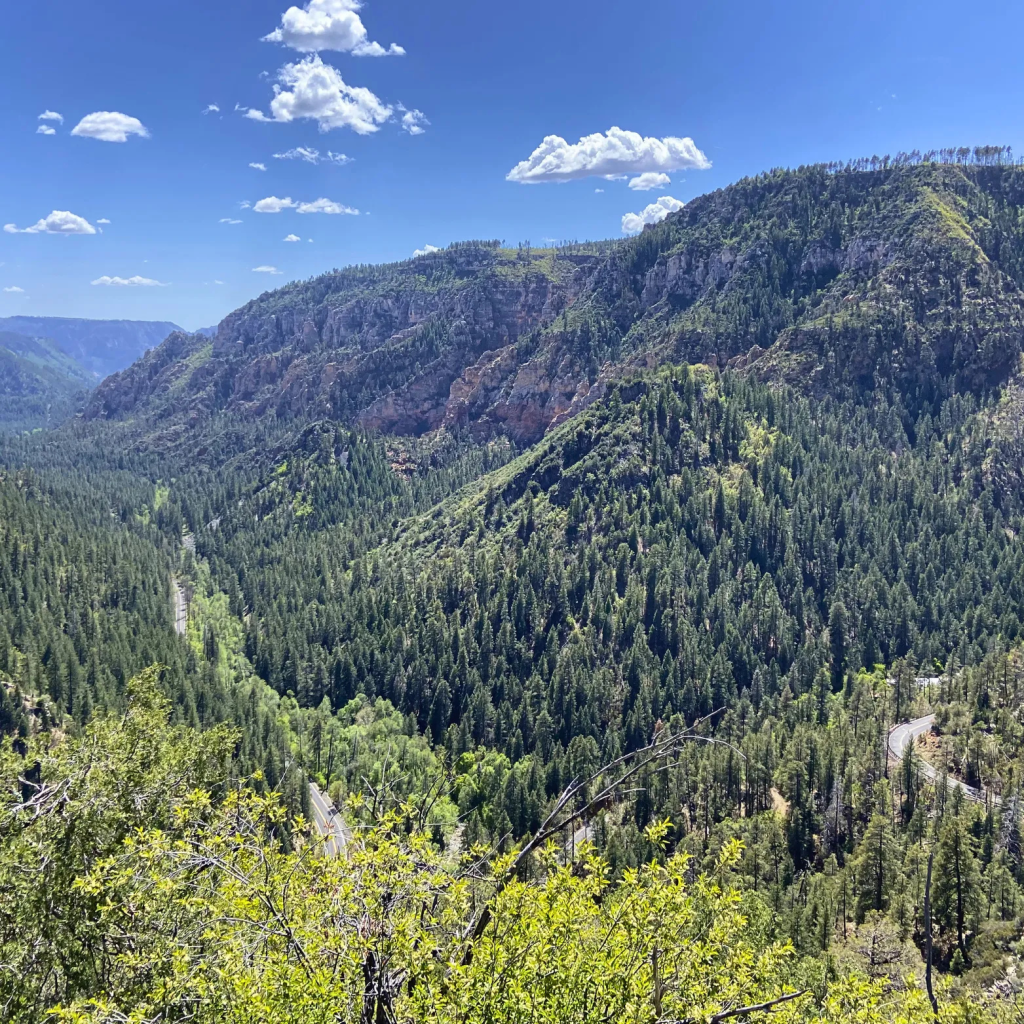
I wrote The Desert Series during a recent trip through the high desert, where I spent long stretches hiking, sitting still, paying attention, and taking notes. Over several days, I found myself returning to many of the same things: cactus blooms, ravens, wind, silence, Scripture, stars, and the strange way wild places sharpen both sight and thought.

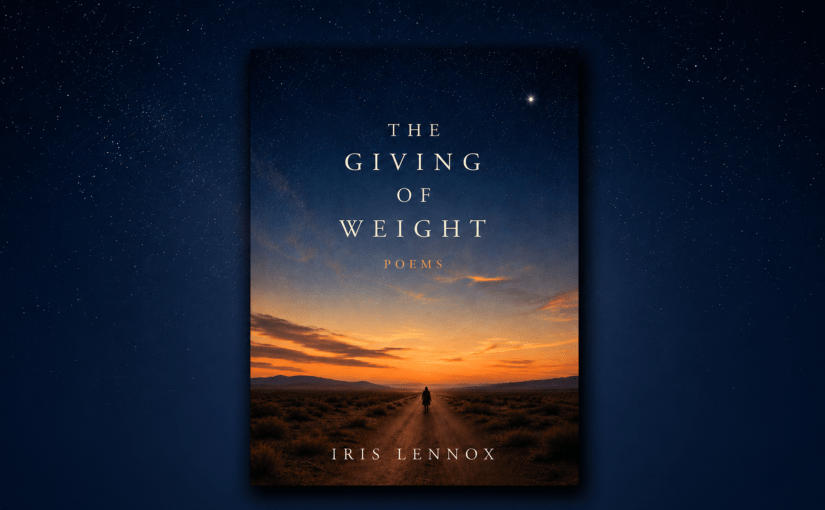
This summer, I’ll be publishing my first collection of poetry under the name Iris Lennox.

On Writing, Voice, and Iris Lennox

In January 2023, I made a New Year’s resolution to write more poetry. For once, I actually followed through. I wrote quite a bit that year, but most of it was just okay.

What I started to notice was that all of it sounded like me, but not in that beautifully cohesive way where you can tell a piece is by Emily Dickinson or Wisława Szymborska. There was something a little circular about it.

So the following year, I started taking poetry classes and workshops with real, working poets.

I’m not sure if I’ve gotten better, but I do know this: listening to other students’ and poets’ work in the room changed everything.

I started thinking thoughts I hadn’t thought before and feeling things I didn’t expect to feel again. Just from listening to people write about ordinary moments. The kind that light you up, or break your heart, or make you want to live, but on fire.

Life is so rich and dynamic, and also boring and mundane. And you can write about all of it.

So, I created a pen name: Iris Lennox.

This summer, I’ll be publishing a book of poetry under that name. It felt like the right time to start sharing some of that work and to give that voice a little more room to grow.

I also created a website for it:

irislennox.com

I’ll be sharing poems and short pieces there as I continue developing this side of my writing.

❤️,
Jill